
A traditional food with real nutritional value
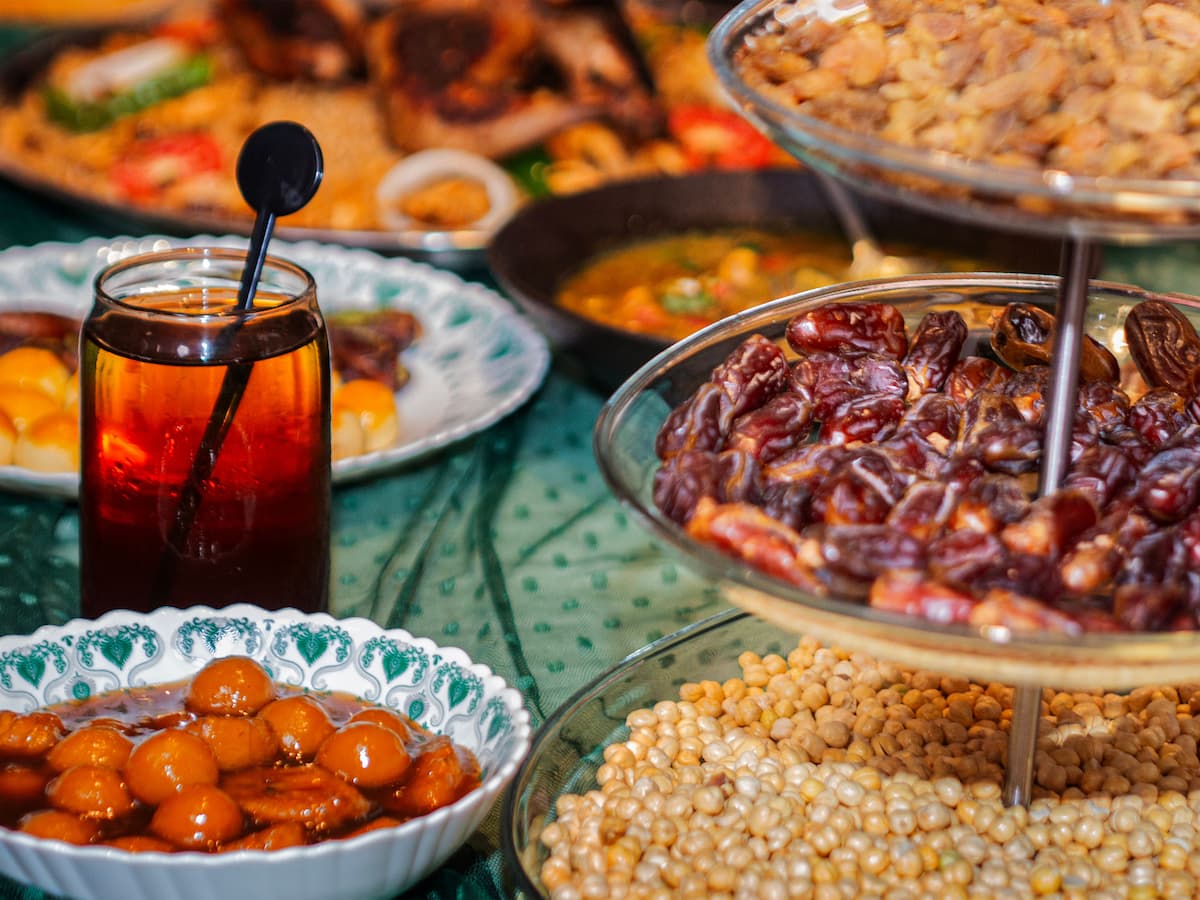
Dates have been a staple food across the Middle East and North Africa for thousands of years, and they are the traditional way to break the fast in Ramadan. They are sweet, easy to carry and keep well, which is why they are popular as a quick snack. But because they are so sweet, many people wonder whether dates are healthy and how many it is sensible to eat.
What is in a date?
Values vary between varieties and with how dry the fruit is. According to the United States Department of Agriculture's FoodData Central database, 100 g of Medjool dates contain about:
- Energy: 277 kcal
- Carbohydrate: 75 g, of which sugars about 66 g
- Fibre: 6.7 g
- Protein: 1.8 g, and almost no fat
- Potassium: 696 mg; magnesium: 54 mg; calcium: 64 mg
A single Medjool date weighs around 24 g without the stone, so one date provides roughly 66 kcal, 16 g of sugar, 1.6 g of fibre and about 167 mg of potassium. Smaller varieties such as Deglet Noor weigh less, so each one provides less.
The benefits
Fibre
Most adults do not eat enough fibre. Fibre supports regular digestion and helps you feel full. A few dates add a useful amount, especially alongside other fibre sources such as wholegrains, vegetables and pulses.
Potassium
Potassium helps the body control blood pressure, particularly when salt intake is kept low. Dates contain more potassium per gram than many fresh fruits, because the water has been removed.
Natural sweetness
Because dates are very sweet, they can replace added sugar in recipes. Chopped dates in porridge, blended into a smoothie or mixed into energy balls give sweetness together with fibre and minerals.
Dates and blood sugar
It is easy to assume that a food this sweet must raise blood sugar sharply. Research suggests the picture is more mixed. In a 2011 study published in Nutrition Journal, researchers in the United Arab Emirates measured the glycaemic index (GI) of five common date varieties, including Khalas and Lulu, in healthy volunteers and in people with type 2 diabetes. The average GI values ranged from about 44 to 55, which places them in the low-to-medium range, and the dates did not cause significant rises in blood sugar after eating in the people with diabetes.
This does not mean dates can be eaten freely. GI describes how fast a food raises blood sugar, not how much carbohydrate it contains, and the total amount still matters. Three Medjool dates provide close to 50 g of sugar. If you have diabetes, count dates as part of your carbohydrate for that meal or snack, and ask your healthcare team how they fit into your plan.
Whole dates, date syrup and 'free sugars'
The World Health Organization recommends that adults keep free sugars below 10% of their daily energy, and ideally below 5%. Free sugars are sugars added to foods plus those found naturally in honey, syrups and fruit juices. The sugar inside whole fruit, including whole dates, is not counted as free sugar, because it comes packaged with fibre. Date syrup (dibs), on the other hand, counts as free sugar, just like honey, so it is best used in small amounts.
How many dates a day?
There is no official number. For most healthy adults, a small portion of two or three dates as part of a snack or after a meal fits easily into a balanced diet. If you are trying to manage your weight, remember that dates are energy-dense: a handful can add 300 kcal or more without you noticing.
A few simple ideas:
- Two dates with a small handful of almonds or walnuts, for a snack that combines sugar with protein and healthy fats.
- A date with a spoonful of tahini, a classic combination in many Arab homes.
- Chopped dates stirred into plain yoghurt or porridge instead of sugar or honey.
- Dates with water at iftar, followed by a balanced meal.
Practical tips
- Dates are sticky, so drink water or brush your teeth afterwards to protect your teeth.
- Store dates in a sealed container in a cool place, or in the fridge for longer freshness.
- Check the label of stuffed or coated dates, which may contain added sugar, chocolate or syrup.
This article is for general information. If you have diabetes or another medical condition, ask your doctor or a registered dietitian for advice that fits your situation.


Comments (0)
No comments yet. Be the first to share your thoughts!
Leave a Comment
Your comment will be reviewed before publication. Please keep it respectful and on-topic.