
That tight, full, swollen feeling after a meal is one of the most common digestive complaints. Most of the time it is harmless and linked to everyday habits. Understanding the usual causes can help you find what works for you.
Common causes
1. Eating quickly or talking while eating
Eating fast makes you swallow more air, which can collect in the stomach and intestines. Large meals eaten quickly also stretch the stomach more.
2. Fizzy drinks and chewing gum
Carbonated drinks release gas in the stomach. Chewing gum and drinking through a straw also increase swallowed air.
3. Gas-producing foods
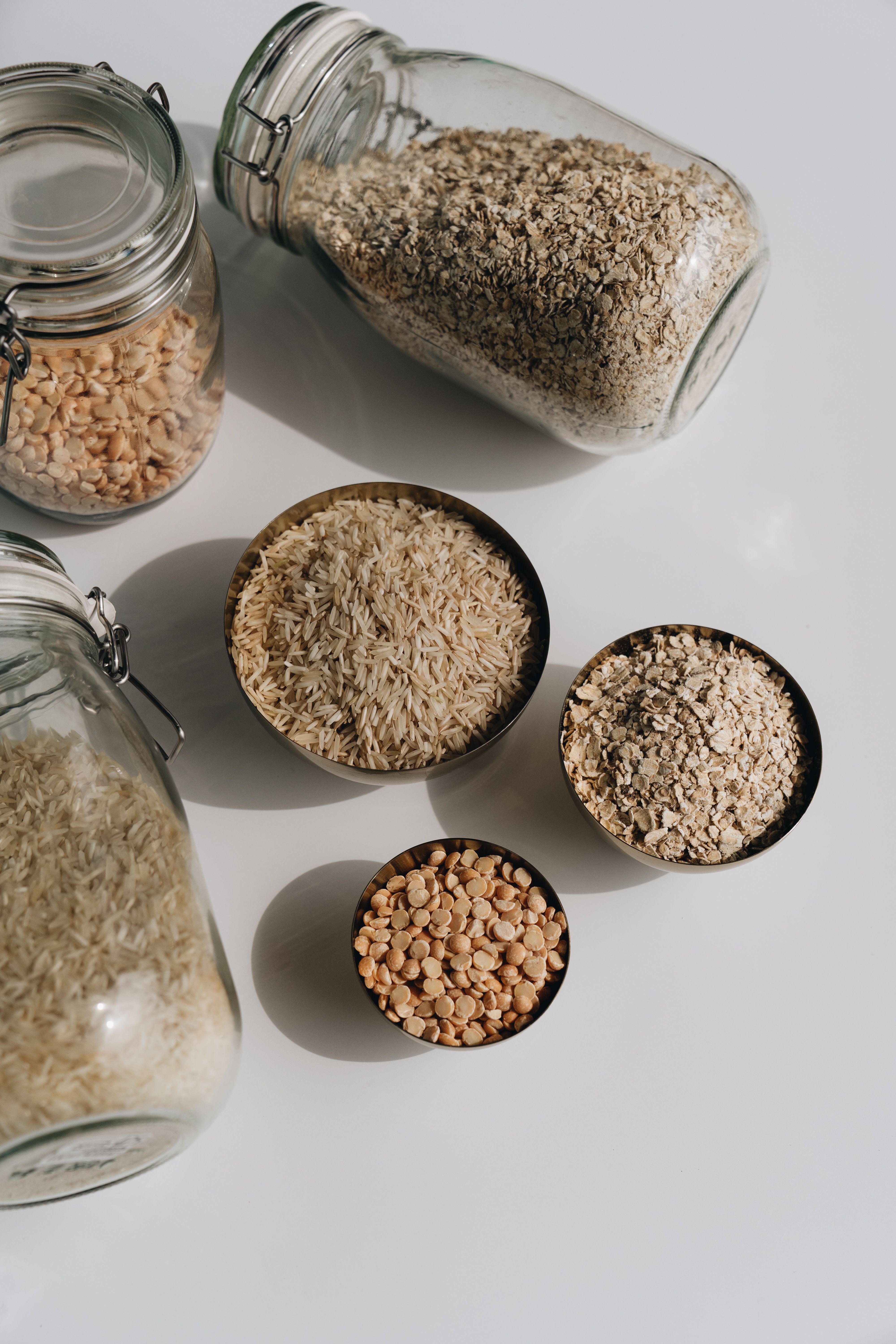
Legumes (beans, chickpeas, lentils, foul), onions, garlic, cabbage, cauliflower and some fruits contain fermentable carbohydrates. Gut bacteria break them down and produce gas. This is a normal sign of fibre being digested, not a sign the food is bad for you.
4. Lactose intolerance
Many adults, including a large share of people in the Middle East, produce less lactase, the enzyme that digests milk sugar. Large amounts of milk may cause bloating and gas. Yogurt, laban and aged cheeses are usually better tolerated.
5. Big, rich meals
Heavy, fatty meals empty from the stomach more slowly, which can leave you feeling full and bloated for longer.
6. Constipation
When stool moves slowly, gas builds up behind it. Low fibre, low fluid and little movement are common causes.
7. Irritable bowel syndrome (IBS)
IBS is a common condition with bloating, abdominal pain and changes in bowel habits. It needs diagnosis by a doctor.
Simple fixes to try
- Eat slowly and chew well; put your fork down between bites.
- Choose smaller portions and avoid lying down right after eating.
- Swap fizzy drinks for water, mint tea or ginger tea.
- Increase fibre gradually over two to three weeks, rather than all at once, and drink enough water.
- Prepare legumes well: soak dried beans overnight, discard the soaking water and rinse canned beans. Cumin, a common addition to foul and hummus, is a traditional pairing.
- Take a short walk of 10–15 minutes after meals; movement helps gas move through the gut.
- Test lactose: for a week, swap milk for lactose-free milk or yogurt and see if symptoms improve.
- Keep a simple food diary for two weeks to spot your personal triggers.
When to see a doctor
Bloating with any of the following needs medical attention:
- unexplained weight loss,
- blood in the stool or black stool,
- persistent vomiting,
- difficulty swallowing,
- severe or worsening abdominal pain,
- a lasting change in bowel habits, especially over the age of 50,
- bloating that is constant and does not come and go.
These can have causes that need proper investigation.
FAQ
Why do I feel bloated after every meal?
Common reasons include eating quickly, large or fatty meals, fizzy drinks, gas-producing foods and lactose intolerance. If it happens every day or comes with pain or other symptoms, see a doctor.
Do chickpeas and beans always cause bloating?
Not always. Many people adapt when they eat legumes regularly and increase the amount gradually. Soaking, rinsing and good cooking also help.
What drink helps with bloating?
Water, peppermint tea and ginger tea are gentle options many people find helpful, and avoiding fizzy drinks often makes a difference.
Comments (0)
No comments yet. Be the first to share your thoughts!
Leave a Comment
Your comment will be reviewed before publication. Please keep it respectful and on-topic.