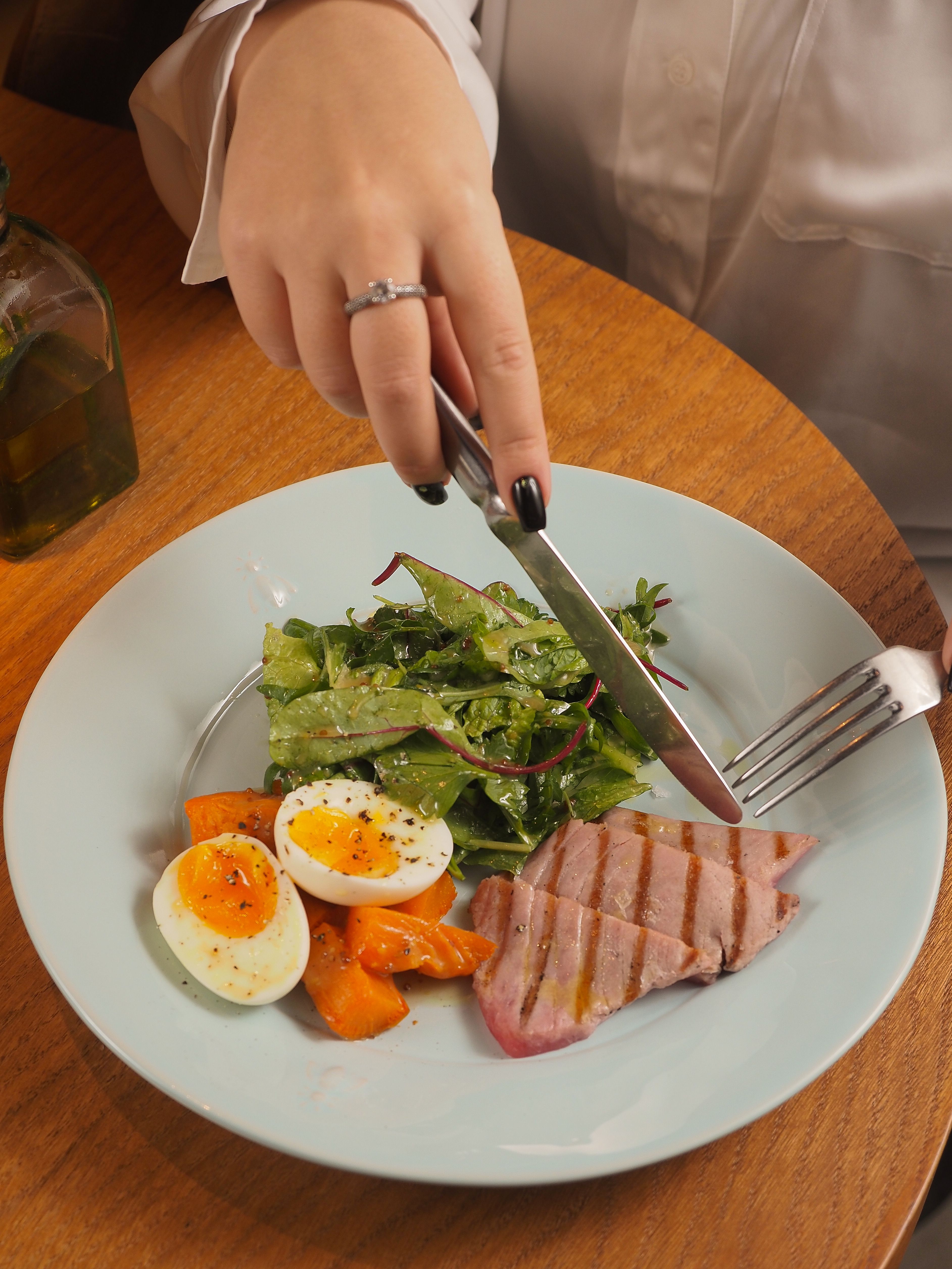
Protein is the nutrient everyone seems to be talking about. Gym videos suggest you need huge amounts, while older advice says most people already eat enough. The truth sits in between, and it depends on three things: your body weight, how active you are, and what you are trying to achieve.
The basic number: 0.8 g per kilogram
For healthy adults, the official Recommended Dietary Allowance (RDA) is 0.8 grams of protein per kilogram of body weight per day. This is the amount that covers the needs of almost all healthy adults who are not very active.
- A 60 kg person needs about 48 g a day.
- An 80 kg person needs about 64 g a day.
- A 100 kg person needs about 80 g a day.
Think of this as a minimum to stay healthy, not the ideal amount for every goal.
When you need more
| Situation | Suggested range (g per kg per day) |
|---|---|
| Healthy adult, low activity | 0.8 |
| Regular exercise (3–5 times a week) | 1.0 – 1.4 |
| Strength training to build muscle | 1.4 – 2.0 |
| Losing weight while keeping muscle | 1.2 – 1.6 |
| Adults over 65 | 1.0 – 1.2 |
The higher ranges come from sports nutrition research, such as the position stand of the International Society of Sports Nutrition. During weight loss, a little more protein helps you keep muscle and feel fuller between meals. Older adults lose muscle more easily, so many experts suggest they aim above the basic RDA.
Spread it across the day
Your body uses protein better when it is spread over meals rather than eaten in one large dinner. A practical target for most adults is 20–40 g per meal. Breakfast is where many people fall short: tea and bread with a little cheese may give only 8–10 g.
Easy sources from our kitchen
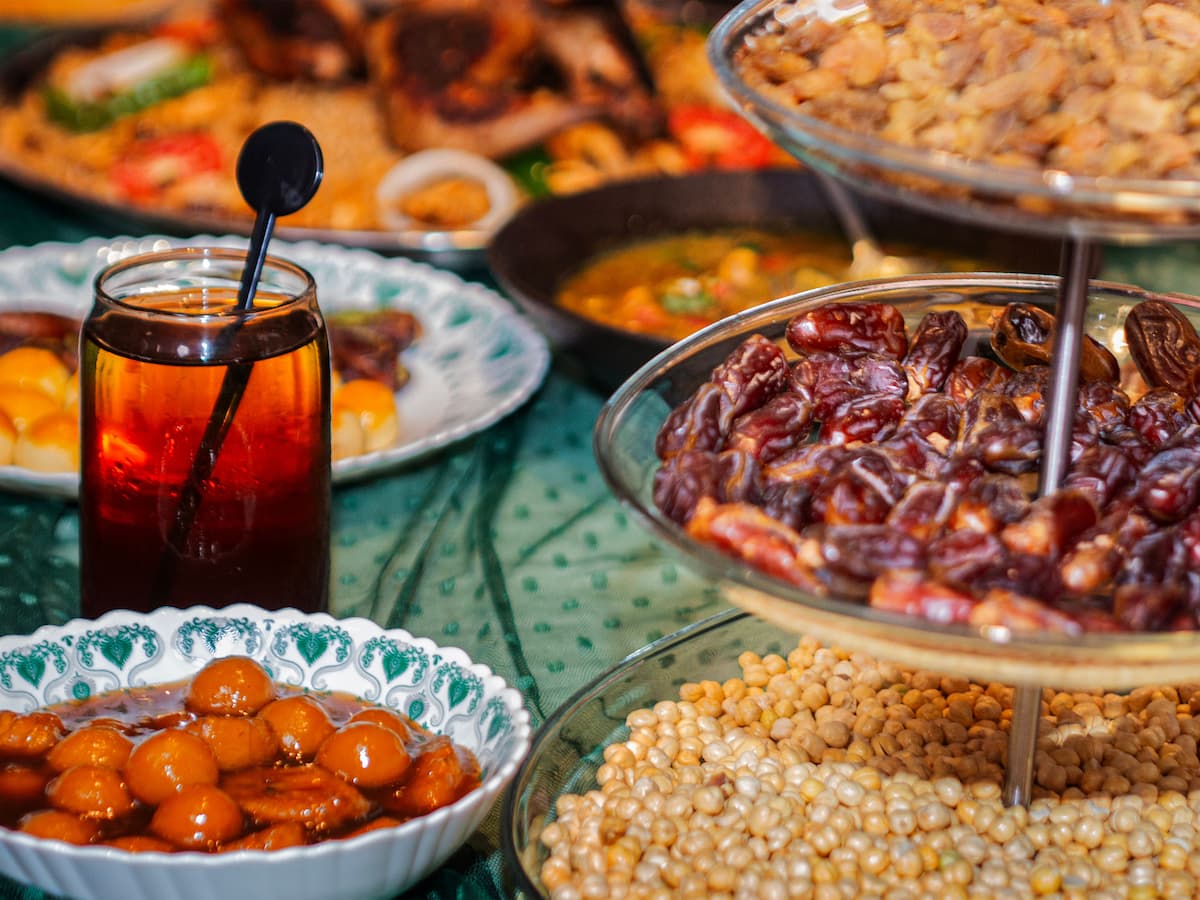
You do not need shakes to reach your target. Traditional food is full of protein:
- Eggs: about 6 g per large egg.
- Foul medames: about 13 g per cooked cup.
- Lentils (cooked): about 18 g per cup, plus plenty of fibre.
- Chickpeas and hummus: about 8 g per 100 g of hummus.
- Grilled chicken (shish tawook): about 30 g per 100 g of cooked breast.
- Greek yogurt or strained labneh: roughly 8–10 g per 100 g.
- Fish: about 20–25 g per 100 g cooked.
A breakfast of two eggs with foul and a cucumber-tomato salad already gives you around 25 g.
Can you eat too much?
For healthy people, intakes up to about 2 g per kg appear safe in research. People with kidney disease are different and should follow their doctor's advice. Very high-protein diets can also crowd out fibre-rich foods such as vegetables, fruit and whole grains, so balance still matters.
How to work out your own number
- Take your weight in kilograms.
- Pick the range from the table that matches your activity and goal.
- Multiply. A 75 kg person who trains three times a week: 75 × 1.2 = 90 g a day.
- Divide by your meals: three meals of about 30 g each.
Our calorie calculator shows a suggested protein amount alongside your daily calories, so you can see both numbers together.
FAQ
Is 0.8 g of protein per kg enough?
For healthy adults who are not very active, yes. People who exercise regularly, build muscle, lose weight or are over 65 usually benefit from more, often 1.0–1.6 g per kg.
Can I get enough protein without meat?
Yes. Eggs, dairy, lentils, chickpeas, beans and foul medames can cover your needs. Combining legumes with grains through the day helps you get a full range of amino acids.
Is too much protein bad for the kidneys?
In healthy people, intakes up to about 2 g per kg have not been shown to harm the kidneys. If you have kidney disease, follow your doctor's advice.

Comments (0)
No comments yet. Be the first to share your thoughts!
Leave a Comment
Your comment will be reviewed before publication. Please keep it respectful and on-topic.